

A Tiny Chip With Massive Implications: How 'BISC' Could Redefine Brain–Computer Interfaces
Researchers unveil an ultra-thin wireless brain implant that could transform neurological treatment and human–machine interaction

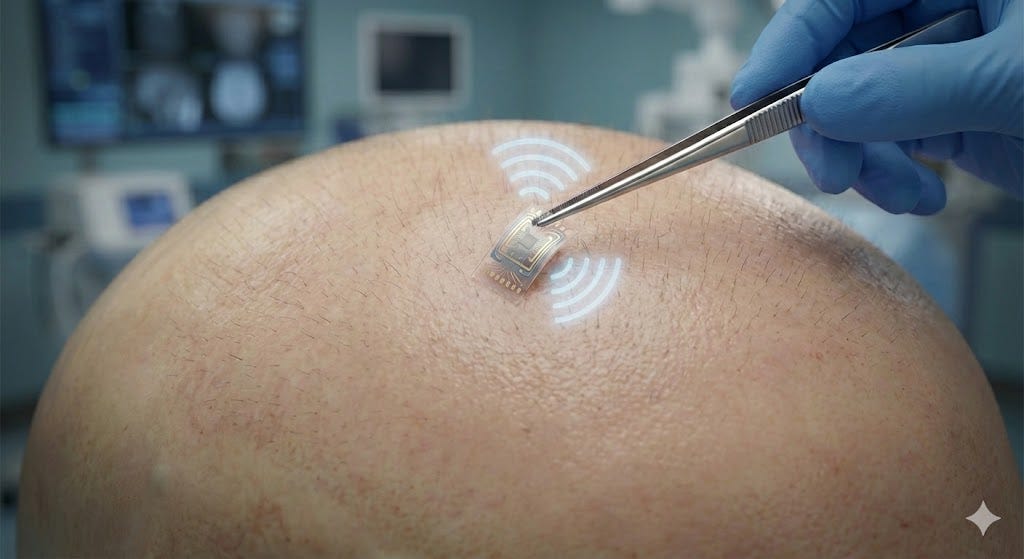
Brain–computer interfaces (BCIs) have long promised to transform medicine, communication, and human–machine interaction. Yet despite decades of progress, most clinical BCIs remain constrained by size, invasiveness, and limited data throughput. That may be changing. A newly unveiled platform known as the Biological Interface System to Cortex (BISC) represents a significant leap forward in how neural signals are recorded, transmitted, and ultimately integrated with digital systems.
